
Discovering your Peoria home has foundation issues can feel like the ground is falling out from under you, and not just literally. For many homeowners, the immediate reaction is panic followed by a long list of uncomfortable questions. Will anyone buy this? Do I have to fix it first? How much is this going to cost me? The truth is, you can still Sell a House With Foundation Issues when you understand the problem, the potential costs, and the selling options available to you.
The honest answer is that foundation issues are more common than most people realize, especially in Central Illinois where the housing stock skews older and soil conditions create ongoing challenges for residential foundations. And while they do complicate a sale, they do not make it impossible. Understanding your options clearly is the first step toward making a smart decision.
Before we dive in, one important note: this article is a general educational overview. Every foundation situation is different in terms of severity, cause, and cost. Always consult a licensed structural engineer and a qualified real estate professional before making any final decisions about your specific property.
How to Know If Your Peoria Home Has Foundation Issues?
Before you can make any decisions about how to sell, you need to understand what you are actually dealing with. Foundation problems exist on a wide spectrum, from minor cosmetic cracks that cost a few hundred dollars to fix, to serious structural issues that run into the tens of thousands.
The first step is a basic visual inspection of your home, both inside and out. On the exterior, look for cracks in the foundation itself, walls pulling away from the structure, gaps between the house and trim, stair step cracks in brick or masonry, and any areas where the foundation appears to be sinking or settling unevenly. Bowing or bulging exterior walls and a chimney or porch that leans away from the main structure are also warning signs worth taking seriously.
On the interior, the most common signs include:
- Doors and windows that stick or no longer close properly
- Diagonal cracks running from the corners of door and window frames
- Sloping or uneven floors
- Walls that appear to bow inward
- Cracks in drywall that seem to reappear after being patched
It is worth noting that not every crack is a structural crisis. According to experienced home inspectors, roughly 90 percent of cracks and settling are not structural in nature. Hairline cracks less than one quarter inch wide are generally cosmetic. That said, wide cracks, horizontal cracks, and L-shaped or stair step cracks in masonry deserve professional attention. If you are seeing multiple signs together, such as sticking doors combined with sloping floors and visible exterior cracks, it is time to call a structural engineer. A structural engineer will evaluate the soil, drainage, lot conditions, and the structure itself and give you an objective assessment. A foundation repair company, by contrast, has a financial interest in recommending repairs.
Common Causes of Foundation Issues in Peoria, IL
Understanding what causes foundation problems matters because the cause often determines the complexity and cost of the fix, and it affects how you present the situation to potential buyers.
In Peoria and throughout Central Illinois, the most common cause is soil movement. The clay rich soils in this region expand significantly when wet and contract when dry. That constant cycle of swelling and shrinking puts ongoing stress on residential foundations, particularly in older homes that were built before these soil characteristics were as well understood as they are today.
Water drainage is closely related. When gutters terminate too close to the foundation, when the lot grading slopes toward the house rather than away from it, or when downspouts discharge water in concentrated areas near corners, the result over years of exposure can be significant soil erosion and foundation instability. Tree roots are another factor that Peoria homeowners deal with regularly. Established trees draw moisture from the surrounding soil, which causes the ground beneath and around a foundation to dry and shrink unevenly.
Finally, the age of Peoria’s housing stock plays a meaningful role. Many homes in established Peoria neighborhoods were built decades ago under construction standards that would not meet modern requirements. Insufficient soil compaction at the time of original construction, inadequate reinforcement in the foundation itself, and outdated drainage designs all contribute to the foundation issues that show up in older properties today.
How Foundation Issues Affect Your Home Sale in Peoria?
Foundation problems affect a home sale in several interconnected ways, and understanding all of them helps you set realistic expectations before you decide on a selling strategy.
The most immediate impact is on your buyer pool. Most conventional buyers looking for a home to live in are deterred by foundation issues, not necessarily because the problems are insurmountable, but because their lenders will not finance the purchase. FHA loans require the property to be structurally sound as a condition of approval, and foundation problems frequently trigger rejection. USDA loans follow similar guidelines. Even conventional lenders often require foundation repairs before they will approve financing, and if they do approve a loan on a property with known foundation issues, the appraisal will likely come in lower, which reduces the amount the lender will loan and complicates the transaction further.
The result is that when you list a Peoria home with known foundation problems on the open market, your qualified buyer pool shrinks considerably. The buyers who remain are typically cash purchasers, investors, or buyers using renovation financing, all of whom will factor the cost of repairs into their offer price.
Foundation issues also affect your legal obligations as a seller. Illinois law requires sellers to disclose known material defects in the property, and foundation problems clearly qualify. Attempting to conceal them is not only ethically problematic but creates significant legal liability after closing. Full transparency is not just the right approach, it is the legally required one.
Should You Fix Foundation Issues Before Selling in Peoria?
This is the central question most Peoria homeowners with foundation problems wrestle with, and there is no single right answer. The decision depends on the severity of the issue, your financial situation, your timeline, and what the Peoria market will support in terms of return on that investment.
Understanding the costs
Foundation repair costs vary widely depending on what needs to be done. Minor crack repairs using epoxy or polyurethane injection typically run a few hundred dollars. More significant settling or sinking issues that require pier installation can range from $5,000 to $25,000 or more depending on the number of piers needed and the severity of the movement. Bowing walls, which are common in older Peoria homes with basements, can cost $4,000 to $12,000 to address. A structural engineer inspection itself typically costs $300 to $600 and is money well spent before making any repair decisions.
The case for fixing before selling
Repairing foundation issues before listing reopens your home to the full conventional buyer pool, removes a significant negotiating lever from buyers, and can potentially allow you to list at a higher price. A stabilized foundation can also be positioned as a selling advantage, particularly if you have engineering documentation showing the work was done properly.
The case against fixing
Repair costs are often substantial and may not translate into a dollar for dollar increase in sale price. Repairs take time, which can be a problem if your situation requires a fast sale. And once foundation work begins, it is common to uncover additional issues that expand the scope and cost of the project beyond the original estimate. For many Peoria homeowners, particularly those dealing with financial hardship, inherited properties, or situations where time is more valuable than maximizing sale price, the cost and uncertainty of foundation repairs simply does not make sense.
Your Options for Selling a House With Foundation Issues in Peoria
Once you have a clear picture of what you are dealing with, you have three main paths forward.
Fix and list with a real estate agent
If the foundation issues are relatively minor and the repair costs are manageable, fixing before listing gives you access to the widest pool of conventional buyers. This approach works best when repairs are straightforward, your timeline allows for the work to be completed, and the Peoria market in your neighborhood is strong enough to support a price that justifies the investment.
Many Peoria homeowners also run into problems selling the traditional way when lenders reject financing over foundation concerns during the appraisal process.
Sell as is on the open market with a price reduction
You can list the property without making repairs and disclose the foundation issues upfront, and homeowners who choose to sell house as is can avoid the stress and cost of managing repairs entirely. This keeps some exposure to conventional buyers who may be willing to pursue renovation financing, while also attracting investors and cash buyers. The tradeoff is that you are still subject to all the delays and uncertainties of the traditional listing process, including buyer inspections, financing contingencies, and the possibility of deals falling apart when lenders balk at the foundation condition.
Sell directly to a cash buyer as is
This option eliminates the financing complications entirely. A local cash buyer will purchase the property in its current condition, factoring the cost of repairs into their offer. You avoid the repair process, skip the open market listing, and close on a timeline that works for you. The offer will reflect the cost of repairs but so does every other option once negotiations play out, and the certainty and speed of a cash sale often makes the net outcome comparable or better when you account for carrying costs, agent commissions, and the risk of a deal falling through.
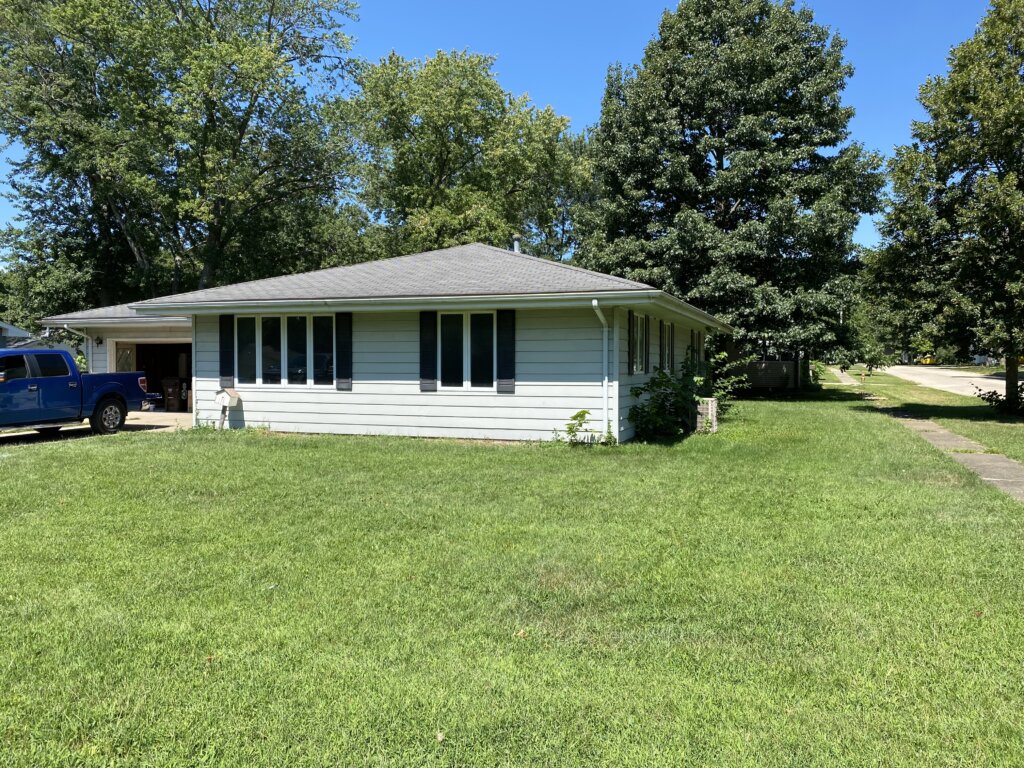
Who Buys Houses With Foundation Issues in Peoria?
Conventional buyers using standard financing are largely unable to purchase properties with significant foundation problems due to lender restrictions, so it is worth understanding who your realistic buyer pool actually is.
Real estate investors and house flippers are the most active buyers of foundation compromised properties in the Peoria market. They are experienced with this type of purchase, they have contractor relationships that allow them to complete repairs efficiently, and they see the discount as an opportunity rather than a problem. If the price reflects the condition honestly, investors move quickly and with certainty.
Local cash buyers like Central Illinois House Buyers purchase these properties directly from homeowners without the complications of conventional financing. There are no appraisal requirements, no lender conditions about foundation repairs, and no risk of a deal collapsing at the last minute because of what an inspector found. Buyers using renovation financing such as FHA 203k loans represent a smaller segment of the market. These loans allow the buyer to finance both the purchase and the repairs in a single mortgage, but they involve additional complexity and longer timelines, and not all buyers and lenders are experienced with them.
If your home has additional condition concerns beyond the foundation, learn how to sell a damaged house in Peoria with mold, smoke, or water damage quickly.
How to Price a Peoria Home With Foundation Issues?
Pricing a property with foundation problems requires an honest assessment of what the repairs will cost and how that affects your market position. The starting point is getting at least two or three repair estimates from licensed foundation contractors before you set a price. These estimates give you and potential buyers a concrete understanding of what the remediation will require, and having them ready demonstrates transparency and good faith.
As a general rule, foundation issues reduce a home’s sale price by 10 to 15 percent compared to an equivalent property without foundation problems. That reduction reflects the cost of repairs, the risk premium buyers attach to taking on a property with known structural concerns, and the narrower buyer pool. When deciding between a price reduction and offering repair credits, consider your buyer’s likely financing situation. If you are selling to a cash buyer or investor, a price reduction is typically cleaner and simpler. If you are selling to an owner occupant pursuing renovation financing, repair credits can sometimes work, but discuss the mechanics with your agent or the buyer’s lender first since not all loan types handle repair credits the same way.
Illinois Disclosure Requirements for Foundation Issues
Illinois law is clear on this point: sellers are required to disclose known material defects, and foundation problems unambiguously qualify. If you are aware of foundation issues and do not disclose them, you are creating significant legal exposure that can follow you long after the sale closes.
The practical steps are straightforward:
- Get a professional inspection if you have not already done so and document the findings in writing
- Share the inspection report with potential buyers proactively rather than waiting for them to uncover it during their own due diligence
- If you have repair estimates, share those too
- If you have had any repair work done in the past, document what was done, who did it, and what warranty if any is in place
This level of transparency serves everyone well. It removes uncertainty from the buyer’s perspective, demonstrates your good faith as a seller, and protects you legally. Buyers who choose to proceed after full disclosure have done so with open eyes, which dramatically reduces the risk of post closing disputes.
Selling Your Peoria Home With Foundation Issues to a Cash Buyer
For many Peoria homeowners dealing with foundation problems, selling directly to a local cash buyer is the most practical and stress free path forward. You reach out and share some basic details about your property and its condition. The buyer evaluates the property, typically with a walkthrough, and considers the current condition, the estimated cost of repairs, and the local Peoria market when putting together an offer. If it works for you, you agree on a closing date that fits your timeline.
There are no open houses, no waiting on financing approvals, no repair demands before closing, and no risk of the deal falling apart because a lender got cold feet about the foundation condition. The process is clean, predictable, and built around your schedule rather than the market’s.
At Central Illinois House Buyers, we purchase properties in Peoria and surrounding Central Illinois communities in any condition, including homes with significant foundation issues. We are locally based, familiar with Peoria neighborhoods and property values, and work with experienced local title companies to make the process as straightforward as possible.
We also help homeowners in Peoria Heights who are dealing with foundation problems and need a fast honest conversation about their options.
Summary
Foundation issues in Peoria are more common than most homeowners realize, and they are not automatically a deal killer. The key is understanding what you are actually dealing with, knowing your legal obligations under Illinois disclosure law, and making a clear eyed decision about whether fixing, listing as is, or selling directly to a cash buyer is the right path for your specific situation.
Getting a structural engineer’s assessment early, being fully transparent with potential buyers, and working with professionals who understand the Peoria market will give you the best chance of a successful outcome regardless of which route you choose.
If you are dealing with a foundation compromised property in Peoria and want an honest conversation about your options, fill out our quick form or reach out to Central Illinois House Buyers today. There is no pressure and no obligation, just straightforward answers about what your property is worth and what your realistic options are.