
Roof damage is one of the most common and most anxiety inducing issues a Morton homeowner can face when preparing to sell. The roof is one of the first things buyers notice, one of the first things inspectors scrutinize, and one of the first things lenders and insurers evaluate when deciding whether to approve financing or coverage on a property. Knowing how to Sell a House With Roof Damage can help you understand your options before repairs, inspections, or buyer negotiations begin.
The good news is that roof damage, even significant roof damage, does not prevent you from selling. It shapes your approach, affects your buyer pool, and requires some careful thinking about whether to repair before listing or sell as is. But Morton homeowners sell properties with roof issues every year, and understanding your options clearly puts you in a position to make a smart decision rather than a reactive one.
Common Types of Roof Damage in Morton, IL
Understanding what kind of roof damage you have matters because different types of damage carry different implications for buyers, lenders, and insurers, and some are more straightforward to address than others.
Morton’s climate creates specific roofing challenges. Illinois winters bring heavy snow loads, ice dams, and freeze-thaw cycles that take a meaningful toll on roofing systems over time. Spring and summer storms bring hail, high winds, and heavy rain that can cause sudden significant damage. And roofs that have simply aged past their useful life develop a different category of problems that relate to material degradation rather than any single weather event.
- Storm and hail damage is particularly common in Central Illinois and is worth understanding specifically because it may be covered by your homeowners insurance policy. Hail damage to shingles, wind damage that lifts or removes shingles, and storm related damage to gutters, flashing, and fascia are standard perils covered by most homeowners policies. Before you spend money on roof repairs, contact your insurance company to file a claim if the damage resulted from a covered weather event. A covered repair that costs you nothing but your deductible is a very different situation from a repair you have to fund entirely out of pocket.
- Age related deterioration is different. Standard homeowners policies do not cover wear and tear or roofs that have simply exceeded their useful life. Asphalt shingle roofs, which are the most common type in Morton, typically have a useful life of 20 to 30 years. A roof approaching or past that age may not have visible dramatic damage but will show curling or cracking shingles, granule loss, and general wear that appraisers and lenders will note and that insurers may refuse to write policies on.
- Active leaks and interior water damage represent the most urgent category of roof problems. A roof that is currently allowing water into the home creates ongoing damage with each rain event and will be flagged immediately by inspectors. Active leaks that have been present for any period typically result in damage to insulation, drywall, framing, and potentially mold conditions that multiply the cost and complexity of remediation beyond the roof repair itself.
- Structural roof damage including compromised rafters, sagging rooflines, or damaged sheathing beneath the roofing material is a more serious category that affects the structural integrity of the home and will trigger significant concern from lenders, appraisers, and any buyer conducting proper due diligence.
How Roof Damage Affects Your Morton Home Sale?
The practical impact of roof damage on your sale depends significantly on the severity of the damage and the type of financing your buyer is using.
For buyers using FHA or USDA loans, the property condition requirements are particularly strict. FHA appraisers are required to flag roof conditions that suggest the roof has less than two years of remaining useful life or that are actively allowing water intrusion. When an FHA appraiser flags a roof condition, the lender conditions loan approval on the roof being repaired or replaced before closing. If you cannot or do not want to make that investment, an FHA buyer simply cannot complete the purchase.
Conventional lenders have more flexibility but are not unlimited. Appraisers conducting conventional appraisals will still note significant roof damage, and when damage is severe enough to affect the habitability or marketability of the property, conventional lenders may impose similar repair conditions.
Insurance is a separate but related issue. Insurers increasingly decline to write new policies on homes with roofs that have exceeded their useful life or have significant damage. Since most lenders require homeowners insurance as a condition of loan approval, a buyer who cannot obtain insurance cannot close on a financed purchase regardless of their creditworthiness. This is particularly relevant for older Morton homes with roofs approaching the end of their service life even without dramatic visible damage.
Cash buyers and investors are not subject to lender or insurer driven property condition requirements. They can purchase a home with roof damage as is, factor the cost of repair or replacement into their offer, and handle the work after closing.
Your Insurance Situation Before You Sell
This deserves specific attention because it affects both your pre-sale decisions and what buyers will face during their due diligence process.
If the roof damage resulted from a covered weather event, filing an insurance claim before listing the home is worth serious consideration. A successful claim means the repair or replacement cost is covered, minus your deductible, which fundamentally changes your calculus about whether to repair before selling. A new or repaired roof with documentation of the insurance claim and contractor work is a meaningful selling advantage that expands your buyer pool and reduces buyer negotiating leverage related to the roof condition.
If you are planning to sell and have not yet filed a claim for damage that occurred during your ownership, be aware that insurance policies typically have timelines within which claims must be filed after a covered event. Waiting too long can result in a denied claim. Consulting with your insurer before making any decisions about the roof is a worthwhile early step.
Also worth knowing: when you sell a home that currently has an active insurance claim in progress, that needs to be disclosed to buyers. An open claim on a property can create complications at closing and is information buyers are entitled to have.
Illinois Disclosure Requirements for Roof Damage
Illinois law requires sellers to disclose known material defects, and roof damage clearly qualifies. The Illinois Residential Real Property Disclosure Act requires sellers to answer questions about the condition of the roof and any known water intrusion, and providing false or incomplete information creates legal liability that follows you after closing.
If you are aware of roof damage, active leaks, or past water intrusion related to the roof, disclose it. If you have had prior roof repairs done, document them. If you have filed or plan to file an insurance claim, that should be disclosed as well. Buyers who discover undisclosed roof issues after closing have legitimate grounds to pursue the seller for remediation costs and damages, and the financial exposure from concealment consistently exceeds whatever benefit it seemed to offer at the time.
Should You Repair the Roof Before Selling in Morton?
This is the central question for most Morton homeowners with roof damage, and the answer depends on your specific financial situation, the severity of the damage, and your timeline.
- Repairing or replacing before selling makes the most financial sense when the damage qualifies for an insurance claim that covers most of the cost, when the damage is severe enough that a cash buyer or investor would price in a significant risk premium beyond the actual replacement cost, or when your target buyer is a conventional buyer who needs financing and therefore needs the property to meet lender requirements.Roof replacement costs in the Morton market for a standard asphalt shingle roof on an average sized home typically run $8,000 to $15,000 depending on the size, pitch, and complexity of the roof and the contractor. That is a significant investment, but a new roof is also a meaningful selling advantage that most buyers respond to positively and that eliminates one of the most common sources of inspection negotiation.
- Selling as is without repairing makes sense when insurance does not cover the damage and the out of pocket cost of repair does not appear recoverable in the sale price, when your timeline does not accommodate the repair process, when you do not have the financial resources to fund the repair upfront, or when you simply want to avoid the process of managing a roof replacement project during an already stressful time. The key to making this decision well is getting at least two or three repair estimates from licensed roofing contractors in the Morton area before you commit to a path. Without concrete numbers, you cannot accurately compare what you would net from a repaired traditional listing against what you would net from a direct cash sale.
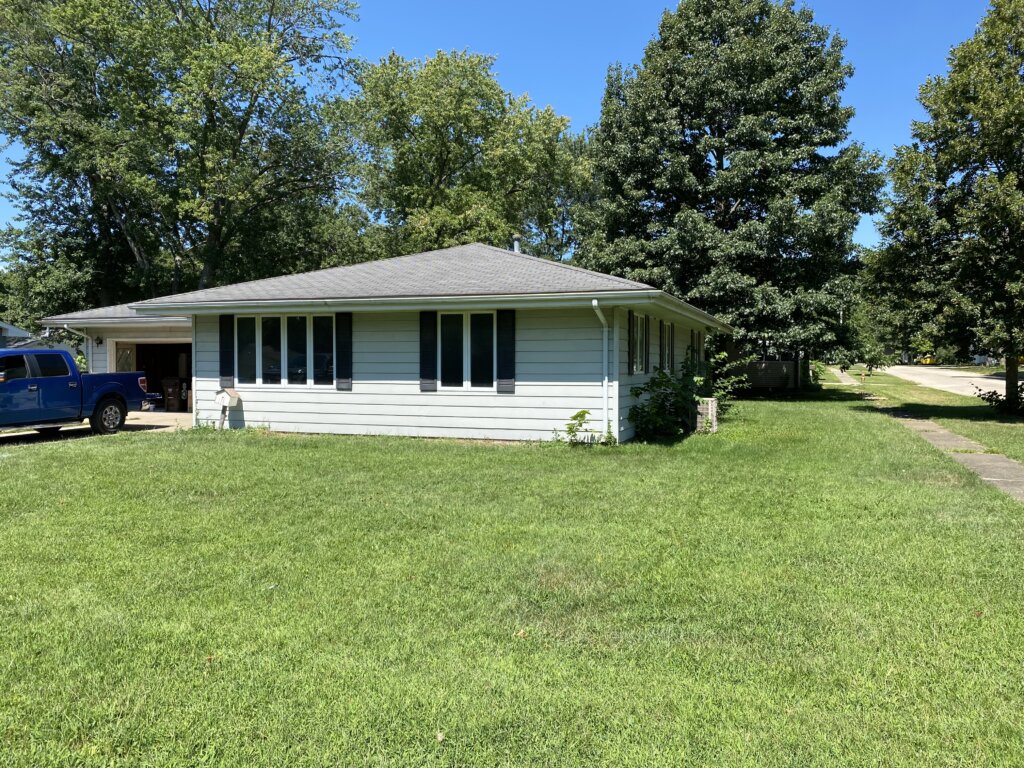
Your Options for Selling a Home With Roof Damage in Morton
1. File an Insurance Claim, Repair, and List
If the damage is from a covered event and an insurance claim is viable, this is often the best path for Morton homeowners who have the time to go through the process. The insurance proceeds fund most or all of the repair, you complete the work with a licensed contractor, and you list the home with a new or repaired roof that expands your buyer pool and strengthens your negotiating position.
2. Repair Out of Pocket and List
If insurance is not available or the claim is denied, you can still fund the repair independently before listing. This path makes the most sense when the cost of repair is manageable relative to the expected increase in sale price and buyer pool, and when your financial situation and timeline accommodate it.
3. List As Is With Full Disclosure and Price Reduction
Listing the property in its current condition with full disclosure of the roof damage and an asking price that reflects it is another option. This reaches a broader audience than a direct cash sale, potentially including buyers willing to use renovation financing or cash purchasers who want to negotiate directly. The limitations are that conventional financing will be difficult for buyers to obtain if the damage is significant, and the traditional listing process involves inspections and contingencies that can delay or complicate the transaction.
4. Sell Directly to a Cash Buyer
For Morton homeowners who want to avoid the repair process entirely, selling directly to a local cash buyer is the most straightforward path. A cash buyer purchases the property in its current condition, factors the cost of roof repair or replacement into their offer transparently, and closes on a timeline that works for you. No agent commissions, no repair requirements before closing, no financing contingencies, and no risk of the deal collapsing because an appraiser flagged the roof condition.
When you account for the avoided repair costs, the agent commissions that do not apply, and the carrying costs of holding the property through a traditional listing and closing process, the net difference between a direct cash sale and a repaired traditional sale is often smaller than sellers initially expect.
At Central Illinois House Buyers, we purchase properties with roof damage throughout Morton and surrounding Central Illinois communities. We are locally based, understand the Morton market, and are experienced in evaluating properties with roofing issues of all types and severities.
We also help homeowners in Washington, IL who need to sell properties with roof or other condition issues quickly.
What Buyers and Inspectors Focus on With Roof Conditions?
Understanding what a buyer’s inspector and appraiser will evaluate helps you anticipate what will come up during due diligence and prepare accordingly.
Inspectors examine the roof from both the exterior and, where accessible, the attic space. From the exterior, they assess the condition of the roofing material, the age and remaining useful life of the shingles or other covering, the condition of flashing around chimneys, vents, and roof penetrations, the condition of gutters and fascia, and any visible sagging, missing materials, or areas of obvious damage. From the attic, they look for signs of active or past water intrusion, the condition of the sheathing and structural framing members, and adequate ventilation.
Having documentation of any prior roof repairs or replacements ready to share with buyers, along with any insurance claim history and contractor warranties, reduces the friction that comes from buyers trying to piece together the history of the roof through their inspection alone. Properties where sellers are organized and transparent about the roof situation are significantly easier to close than those where buyers are uncertain about what they are dealing with.
Summary
Roof damage in your Morton home complicates a sale but does not prevent one. The severity of the damage, whether it qualifies for an insurance claim, your financial situation, and your timeline all shape which approach makes the most sense for your specific circumstances.
The most important early steps are checking your insurance policy and filing a claim if the damage resulted from a covered event, getting concrete repair estimates from licensed Morton area contractors, and running the actual numbers on what you would net from each selling option before committing to a path.
If you own a Morton property with roof damage and want an honest conversation about what it is worth in its current condition and what your realistic selling options are, fill out our quick form to reach out to Central Illinois House Buyers. There is no pressure and no obligation, just straightforward information to help you make the right decision.