
Filing for bankruptcy is one of the most significant financial decisions a person can make, and the questions that follow it are often just as stressful as the situation that led to it. For Peoria homeowners, one of the most pressing questions after bankruptcy is whether they can sell their home, and if so, how. Selling Your House After Bankruptcy is possible, but the right path depends on your bankruptcy status, home equity, and any court or trustee requirements involved.
The short answer is yes, you can sell your house after bankruptcy in Peoria. But the timing, the process, and the rules that govern the sale depend heavily on which type of bankruptcy you filed and where you are in the process. Getting this wrong can create serious legal and financial complications, which is why understanding the landscape before you take any action matters enormously.
This article provides a general educational overview of what Peoria homeowners need to know about selling a house after bankruptcy. It is not legal advice. Every bankruptcy situation is different, and consulting with a qualified bankruptcy attorney before making any decisions about your property is essential.
Understanding the Two Main Types of Bankruptcy That Affect Homeowners
Before you can understand how selling your home works after bankruptcy, you need to understand the difference between the two most common types of personal bankruptcy and how each one treats your property.
- Chapter 7 bankruptcy is a liquidation process where a court appointed trustee reviews your assets and can sell non exempt property to repay creditors. The process typically concludes with a discharge of eligible debts within three to six months of filing. However, the discharge of your debts and the closing of your bankruptcy case are not the same thing. A trustee can keep the case open long after your discharge has been granted, particularly if they believe the value of your property may increase beyond the protected exemption amount.
- Chapter 13 bankruptcy works differently. Rather than liquidating assets, Chapter 13 establishes a three to five year repayment plan that allows you to keep your property while paying back some or all of your debts over time. Selling your home during an active Chapter 13 repayment plan requires court approval, and the proceeds may be subject to distribution to creditors depending on the terms of your plan.
What Happens to Your Home When You File Bankruptcy in Illinois?
When you file for bankruptcy, your home and other assets become part of what is called the bankruptcy estate. A trustee is appointed to oversee that estate, and until the trustee formally abandons their interest in the property or your case is officially closed, you cannot sell your home without court approval.
This surprises many Peoria homeowners who assume that once their discharge is granted, they are free to do whatever they want with their property. That is not necessarily the case. Your personal liability for debts may be discharged, but the trustee’s rights over your assets remain in place until either the property is formally abandoned by the trustee or the bankruptcy case is closed.
Illinois has homestead exemptions that allow homeowners to protect a portion of the equity in their primary residence from creditors in bankruptcy. Understanding what exemption amount applies to your situation and how much equity your Peoria home has above that amount is critical because the trustee’s interest in your property is directly tied to any equity that exceeds the exempt amount.
Can You Sell Your Peoria Home During an Active Chapter 7 Bankruptcy?
During an active Chapter 7 bankruptcy, selling your home without trustee and court approval is not permitted. The trustee has the right to sell your assets, including your home, to repay creditors if there is non exempt equity available.
If you want to sell your home during the Chapter 7 process, you need to get court approval before proceeding. The trustee will evaluate the property, determine whether there is equity above the Illinois homestead exemption that should be used to repay creditors, and the court will decide whether to approve the sale and how the proceeds should be distributed.
Once your Chapter 7 discharge is granted and the trustee has formally abandoned the property or the case is closed, you are generally free to sell the home and retain the proceeds after paying off any remaining liens, such as your mortgage and any outstanding property tax obligations. If you sell the home for more than what you owe on the mortgage and other liens, the surplus is typically yours to keep as long as it falls within the protected exemption amount or your case is fully closed.
Can You Sell Your Peoria Home During an Active Chapter 13 Bankruptcy?
Selling your home during an active Chapter 13 repayment plan is more complex but possible with court approval. You would need to file a motion with the bankruptcy court explaining why you want to sell, what price you expect to receive, and how the proceeds will be distributed.
The court will consider whether the sale is in the best interest of both you and your creditors. If there is significant equity in the property, some or all of the proceeds may need to go toward satisfying your repayment plan obligations before any remainder comes to you. Working with a bankruptcy attorney to navigate this process is not optional. The procedural requirements are detailed and getting them wrong can jeopardize your repayment plan and create additional legal complications.
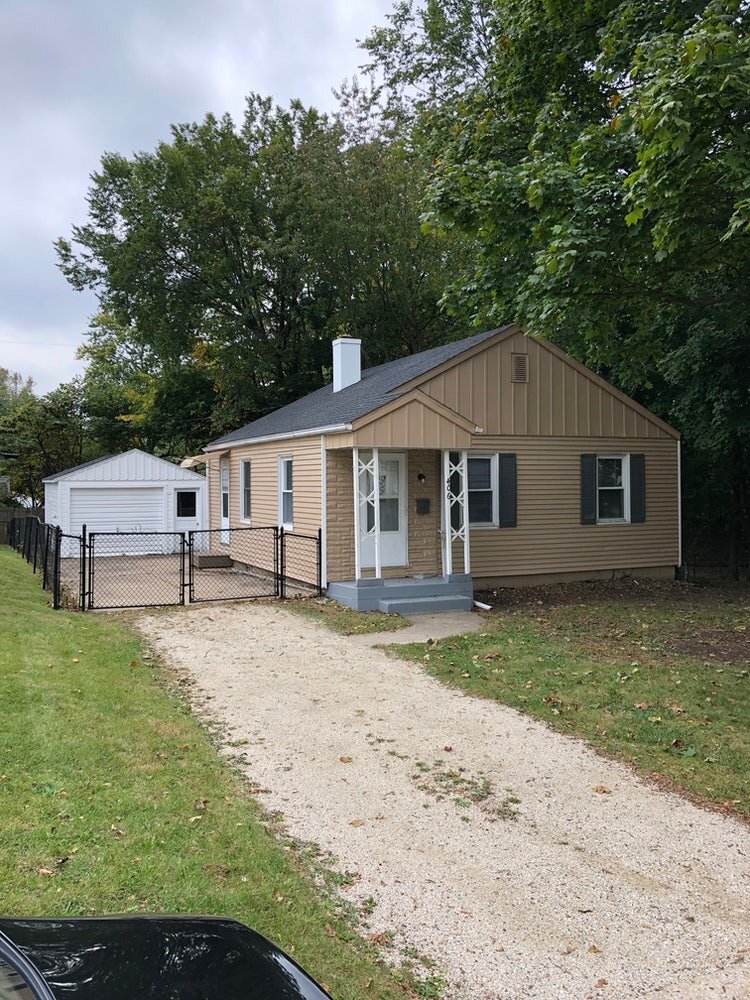
Selling Your Peoria Home After Bankruptcy Is Discharged and Closed
Once your bankruptcy case is fully closed and all trustee interests have been resolved, selling your Peoria home becomes significantly more straightforward. You are the legal owner of the property, free to sell it without court involvement, subject only to standard real estate transaction requirements.
A few practical considerations are worth keeping in mind at this stage.
Any liens that were not discharged in your bankruptcy remain attached to the property and it helps to understand how to sell house with property liens in Peoria before you list. This includes your mortgage, any surviving second mortgages or home equity loans, outstanding property tax liens, and any other secured debts that were attached to the property. Bankruptcy discharges your personal liability for discharged debts but does not automatically remove liens from real property. Title work at closing will identify what needs to be resolved before a clean transfer of ownership can occur.
Your credit will reflect the bankruptcy for a period of time after discharge. Chapter 7 remains on your credit report for ten years and Chapter 13 for seven years. This affects your ability to purchase another home with conventional financing after the sale, though the waiting periods vary by loan type and lender requirements.
How the Bankruptcy Affects Your Home’s Sale in Peoria Practically?
Beyond the legal mechanics, bankruptcy affects the practical aspects of selling your Peoria home in a few ways worth understanding.
If you have been through a difficult financial period that led to bankruptcy, your home may have experienced deferred maintenance. Repairs that were postponed during financial hardship can affect both the condition of the property and its market value. For some Peoria homeowners, the combination of wanting a fast clean sale after an already stressful bankruptcy process and owning a property that needs work makes a direct cash sale significantly more appealing than a traditional listing.
The timeline pressure is also real. Many homeowners emerging from bankruptcy want to resolve the property situation quickly so they can begin the financial rebuilding process. A traditional listing that takes 60 to 90 days or more adds an extended period of uncertainty at exactly the time when most people want clarity and forward momentum.
If you are ready to move forward quickly, explore proven ways to sell your house fast in Peoria without the stress of a traditional listing.
Your Options for Selling After Bankruptcy in Peoria
1. Traditional Listing With a Real Estate Agent
Once your bankruptcy is fully resolved and the property is clear to sell, listing with a real estate agent is an option if you have the time, the property is in reasonably good condition, and maximizing the sale price is your priority. A good agent familiar with the Peoria market can help you navigate the process, though you should disclose the bankruptcy history to your agent so they understand the title situation and any lien resolution requirements.
Many homeowners in this situation also run into problems selling the traditional way when buyers or lenders discover the bankruptcy history during due diligence.
2. Selling Directly to a Cash Buyer
For many Peoria homeowners who have been through bankruptcy, selling directly to a local cash buyer offers a faster, simpler path to resolution. There are no repair requirements, no agent commissions, and no drawn out waiting periods. You receive a clear offer, agree on a closing date, and the title company handles the payoff of any remaining liens from the proceeds at closing.
This option is particularly well suited to homeowners who want to move forward quickly after bankruptcy, whose properties need work that they cannot or do not want to fund, or who simply want the certainty of a known outcome rather than the unpredictability of the open market.
At Central Illinois House Buyers, we work with Peoria homeowners navigating post bankruptcy property sales regularly. We understand the title complexities that can arise in these situations and work with experienced local title companies to handle the closing process efficiently.
We understand the title complexities that can arise in these situations and work with experienced local title companies to handle the Peoria closing process efficiently.
3. Illinois Specific Considerations for Peoria Homeowners
Illinois law provides homeowners with a homestead exemption that protects a portion of a primary residence’s equity in bankruptcy proceedings. The specific amount of this exemption and how it applies to your situation depends on factors that a bankruptcy attorney can clarify for your specific case.
Illinois is also a judicial foreclosure state, which means if mortgage payments were missed during the bankruptcy period, any foreclosure process would need to go through the court system and typically takes considerably longer than in non judicial states. This gives Peoria homeowners who fell behind on mortgage payments during bankruptcy more time to explore selling options before foreclosure becomes irreversible.
If you have outstanding property tax liens, which are common in situations that lead to bankruptcy, those liens are generally not dischargeable in bankruptcy and will survive as obligations against the property regardless of your discharge. They must be resolved at closing as part of any sale.
Summary
Selling your Peoria home after bankruptcy is entirely possible, but the rules governing the timing and process depend on which type of bankruptcy you filed, where you are in the process, and what liens remain attached to the property. The most important steps are consulting with your bankruptcy attorney before taking any action related to your property, understanding what trustee and court approvals may be required, and getting a clear picture of what liens need to be resolved at closing.
Once your case is fully resolved and the path to sale is clear, you have real choices about how to sell and on what timeline. For many Peoria homeowners coming out of bankruptcy, the priority is a fast clean resolution rather than squeezing every dollar from the sale, and a direct cash sale often serves that goal better than a traditional listing.
If you own a Peoria property and want to understand your options after bankruptcy, fill out our quick form to reach out to Central Illinois House Buyers. There is no pressure and no obligation, just honest information about what your property is worth and what your realistic options are.